A Practical Guide for Students, Parents, and Educators
Bullying in Nigerian schools is a serious issue that affects students every day.
If you want to understand how to handle bullying in Nigerian schools, you need to know that it is not rare or isolated.
Studies show that a large number of students in Nigeria have experienced bullying at least once, with some research suggesting over half of students are affected .
That means learning how to handle bullying in Nigerian schools is not just important, it is necessary for safety, mental health, and academic success.
This guide will explain how to handle bullying in Nigerian schools in a clear, simple, and practical way.
You will learn what bullying looks like, why it happens, and the exact steps to stop it. The goal is to give you real solutions that work in Nigerian school environments.
Understanding Bullying in Nigerian Schools
Before you can learn how to handle bullying in Nigerian schools, you must understand what bullying really means.
Bullying is repeated aggressive behavior where one student tries to harm, control, or intimidate another student. It can happen in classrooms, playgrounds, hostels, or even online.
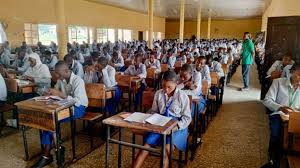
Research shows that bullying often happens between classmates and mostly inside classrooms . This makes it harder to detect because teachers may not always notice it.
Types of Bullying in Nigerian Schools
To fully understand how to handle bullying in Nigerian schools, you need to know the different forms it takes:
1. Physical Bullying
- Beating, kicking, pushing
- Taking belongings by force
This type is very common and visible.
2. Verbal Bullying
- Name-calling
- Mocking accents or background
Verbal bullying is one of the most common forms in Nigerian schools .
3. Social Bullying
- Excluding someone from groups
- Spreading rumors
This type is silent but very damaging.
4. Cyberbullying
- Online insults
- Social media harassment
This is growing fast with smartphone use.
Why Bullying Happens in Nigerian Schools
If you want to master how to handle bullying in Nigerian schools, you must understand the root causes.
1. Peer Pressure
Many students bully others to gain attention or fit into a group.
2. Family Background
Children from violent homes may copy aggressive behavior in school .
3. Weak School Discipline
Schools without strong rules often have higher bullying rates.
4. Desire for Power
Some students bully to feel in control or superior.
5. Lack of Awareness
Many students do not even realize their actions are bullying.
Effects of Bullying on Students
Understanding the impact is key to learning how to handle bullying in Nigerian schools.
1. Emotional Effects
- Anxiety
- Depression
- Low self-esteem
2. Academic Problems
- Poor concentration
- Drop in grades
3. Social Isolation
Victims may avoid friends and school activities.
4. Long-Term Damage
Bullying can affect confidence and relationships later in life.
Studies confirm that bullying has serious psychological and academic consequences for students in Nigeria .
How to Handle Bullying in Nigerian Schools (Step-by-Step Guide)
Now let us focus on practical solutions. This is the most important part.
1. Speak Up Immediately
One of the best ways to handle bullying in Nigerian schools is to report it.
- Tell a teacher
- Inform your parents
- Speak to a school counselor
Keeping quiet allows bullying to continue.
2. Build Confidence
Bullies often target students who seem unsure of themselves.
Ways to build confidence:
- Maintain eye contact
- Speak clearly
- Walk with purpose
Confidence can discourage bullies.
3. Avoid Isolation
Stay with friends whenever possible.
- Walk in groups
- Sit near supportive classmates
Bullies are less likely to attack groups.
4. Do Not Retaliate Violently
Fighting back physically can make things worse.
Instead:
- Stay calm
- Walk away
- Report the incident
5. Keep Evidence
For serious cases:
- Write down incidents
- Save messages (for cyberbullying)
This helps when reporting.
6. Use Assertive Communication
Learn to say:
- “Stop that.”
- “I don’t like it.”
Simple, firm statements can stop some bullies.
7. Seek Adult Support
Never try to handle severe bullying alone.
- Teachers
- School authorities
- Parents
Support systems are key when learning how to handle bullying in Nigerian schools.
How Parents Can Handle Bullying in Nigerian Schools
Parents play a major role in solving this issue.
1. Listen Without Judging
Children must feel safe sharing their experiences.
2. Teach Emotional Strength
Help your child handle insults and pressure.
3. Communicate with Schools
Report bullying cases and demand action.
4. Monitor Online Activity
This helps prevent cyberbullying.
How Teachers Can Handle Bullying in Nigerian Schools
Teachers are on the front line.
1. Create a Safe Classroom
- Encourage respect
- Set clear rules
2. Watch for Warning Signs
- Sudden silence
- Fear of certain students
3. Take Reports Seriously
Never ignore complaints.
4. Teach Anti-Bullying Values
Use lessons and discussions to promote kindness.
School-Level Strategies to Handle Bullying in Nigerian Schools
For long-term solutions, schools must take action.
1. Establish Anti-Bullying Policies
Clear rules reduce bullying.
2. Awareness Campaigns
Teach students what bullying is and why it is wrong.
3. Counseling Services
Professional support helps victims and bullies.
4. Peer Support Programs
Students can help each other stay safe.
Research shows that awareness and structured programs can reduce bullying significantly .
Warning Signs of Bullying
To properly handle bullying in Nigerian schools, you must recognize it early.
Signs in Victims
- Fear of going to school
- Unexplained injuries
- Loss of belongings
Signs in Bullies
- Aggressive behavior
- Lack of empathy
- Frequent conflicts
How to Handle Bullying in Nigerian Boarding Schools
Boarding schools need special attention.
Challenges
- Limited supervision at night
- Seniority culture
Solutions
- Strict hostel monitoring
- Anonymous reporting systems
- Mentorship programs
Role of Government in Handling Bullying in Nigerian Schools
Government policies can strengthen school systems.
1. National Guidelines
Clear policies help schools act properly.
2. Teacher Training
Educators need training to handle bullying cases.
3. Monitoring Schools
Regular checks ensure compliance.
How Students Can Protect Themselves Daily
Daily habits can help prevent bullying.
- Stay confident
- Choose good friends
- Avoid risky situations
- Speak up early
These simple steps are powerful when learning how to handle bullying in Nigerian schools.
Common Mistakes to Avoid
Many people misunderstand how to handle bullying in Nigerian schools.
1. Ignoring the Problem
Bullying does not stop on its own.
2. Blaming the Victim
No one deserves to be bullied.
3. Encouraging Revenge
Violence leads to more problems.
Realistic Solutions That Work in Nigeria
Based on research and real school environments:
- Awareness programs
- Strong discipline systems
- Parent involvement
- Student support groups
These methods are practical and effective.
Conclusion
Learning how to handle bullying in Nigerian schools is essential for every student, parent, and teacher. Bullying is widespread, with many students experiencing it in different forms, especially within classrooms . But the good news is that it can be controlled and reduced with the right actions.
The key is simple:
- Speak up
- Support victims
- Enforce rules
- Build confidence
When schools, parents, and students work together, bullying can be reduced significantly. Everyone has a role to play in creating a safe and supportive learning environment.
If you apply the steps in this guide, you will not only understand how to handle bullying in Nigerian schools, but you will also help create a better future for students across the country.