How to Build a Portfolio for a Tech Job
Building a tech portfolio is one of the most powerful moves you can make if you want to land a job in tech.
A strong tech portfolio shows real proof of your skills, not just claims on a resume.
Today, hiring managers look at a tech portfolio to understand how you think, how you solve problems, and what you can actually build.
If you want to stand out, your tech portfolio must be clear, practical, and focused on real-world work.
In this guide, you will learn exactly how to build a tech portfolio that gets attention, builds trust, and helps you secure a tech job.
What Is a Tech Portfolio and Why It Matters
A tech portfolio is a collection of your work, projects, and skills presented in a way that proves your ability. It is not just about showing code. It is about showing your thinking process and results.
In modern hiring, recruiters spend only a few seconds scanning candidates. A well-built tech portfolio helps you stand out instantly because it shows real evidence of your skills.
A strong tech portfolio can:
- Show your real skills
- Prove your problem-solving ability
- Build trust with employers
- Help you skip filters like ATS systems
- Increase your chances of getting interviews
Many candidates rely only on resumes, but a tech portfolio often carries more weight because it shows practical experience.
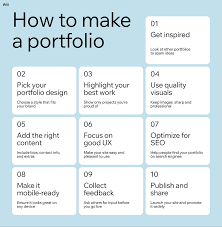
Step 1: Choose the Right Focus for Your Tech Portfolio
Before you start building your tech portfolio, you must decide your focus. This is where many people go wrong.
Ask yourself:
- What role do I want?
- What skills do I want to show?
- Who is my target employer?
Your tech portfolio should match your career goal. For example:
- Frontend developer → UI projects, responsive design
- Backend developer → APIs, databases, system logic
- Data analyst → dashboards, data insights
- UI/UX designer → case studies, design systems
Your tech portfolio should not try to show everything. It should show the right things.
Step 2: Select High-Quality Projects (Not Many Projects)
One of the biggest mistakes in building a tech portfolio is adding too many weak projects.
Experts recommend including only 3 to 5 strong projects that show real skills.
Your tech portfolio should focus on:
- Quality over quantity
- Real-world problems
- Clear outcomes
- Different skill sets
Each project in your tech portfolio should:
- Solve a real problem
- Show technical depth
- Demonstrate your thinking
- Provide measurable results
A small number of strong projects builds more trust than many weak ones.
Step 3: Build Projects That Solve Real Problems
Your tech portfolio should not be filled with tutorial clones. Employers want to see original thinking.
Instead, build projects like:
- Expense tracker for students
- Job application tracker
- E-commerce mini app
- Chat app with real-time messaging
- AI tool or automation system
Your tech portfolio becomes powerful when your projects:
- Solve real problems
- Have clear users
- Show impact
When explaining your project, always answer:
- What problem did you solve?
- Why did you build it?
- Who is it for?
This makes your tech portfolio more meaningful.
Step 4: Show Your Process, Not Just Results
A great tech portfolio does not only show the final product. It shows how you built it.
Recruiters want to understand:
- Your thinking
- Your decisions
- Your challenges
For each project in your tech portfolio, include:
- Problem statement
- Approach and planning
- Tools and technologies used
- Challenges faced
- How you solved them
- Final results
This storytelling approach makes your tech portfolio more powerful because it shows your mindset.
Step 5: Use GitHub Properly in Your Tech Portfolio
Your tech portfolio must include clean and organized code.
GitHub is one of the most important parts of a tech portfolio.
Make sure your repositories:
- Have clear README files
- Include setup instructions
- Show screenshots
- Explain features
- Highlight key logic
A good README improves your tech portfolio because it helps recruiters understand your work quickly.
Step 6: Create a Personal Portfolio Website
While GitHub is important, a personal website makes your tech portfolio look professional.
You can build your tech portfolio using:
- GitHub Pages
- Netlify
- Vercel
- Notion
- Webflow
These platforms make it easy to present your tech portfolio clearly.
Your website should include:
- Homepage (introduction)
- About section
- Projects section
- Contact page
Keep your tech portfolio simple, clean, and easy to navigate.
Step 7: Focus on Design and User Experience
Even if you are not a designer, your tech portfolio must look good.
A poor design can reduce the impact of your work.
Your tech portfolio should be:
- Clean and simple
- Mobile-friendly
- Fast loading
- Easy to navigate
Recruiters often check portfolios on mobile devices, so responsiveness is very important.
Step 8: Add Live Demos and Links
A strong tech portfolio should allow users to test your projects.
Always include:
- Live demo links
- GitHub repository links
Projects with live demos are more convincing because they show real functionality.
Step 9: Include Metrics and Results
To make your tech portfolio stand out, include measurable results.
Examples:
- Reduced load time by 50%
- Handled 1,000 users
- Improved performance score
- Increased efficiency
Metrics make your tech portfolio more credible and professional.
Step 10: Add Technical Blog Content
A powerful tech portfolio often includes blog posts.
Writing helps you:
- Show deep understanding
- Build authority
- Improve visibility
Your tech portfolio can include articles like:
- How you built a project
- Lessons learned
- Technical tutorials
This improves your personal brand and shows expertise.
Step 11: Optimize Your Tech Portfolio for SEO
If you want your tech portfolio to be discovered online, SEO is important.
Use keywords like:
- “frontend developer portfolio”
- “data analyst portfolio”
- “full stack developer projects”
SEO helps your tech portfolio appear in search results and attract opportunities.
Step 12: Add a Personal Touch
Your tech portfolio should feel human, not robotic.
Include:
- Short bio
- Your story
- Your interests
- Your goals
Employers connect with people, not just skills. A personal touch makes your tech portfolio memorable.
Step 13: Keep Your Tech Portfolio Updated
Your tech portfolio is not a one-time project. It should grow with you.
Update your tech portfolio regularly:
- Add new projects
- Remove outdated work
- Improve existing projects
A fresh tech portfolio shows growth and commitment.
Step 14: Common Mistakes to Avoid
Many people fail because of simple mistakes in their tech portfolio.
Avoid:
- Too many weak projects
- Poor documentation
- No live demos
- Bad design
- Copying tutorial projects
- Not explaining your work
Fixing these mistakes can greatly improve your tech portfolio.
Step 15: Example Structure of a Strong Tech Portfolio
Here is a simple structure you can follow:
Homepage
- Introduction
- Skills summary
Projects Section
- 3–5 strong projects
- Each with full explanation
About Page
- Your journey
- Your interests
Blog Section
- Technical articles
Contact Page
- GitHub
This structure makes your tech portfolio easy to navigate.
Advanced Tips to Make Your Tech Portfolio Stand Out
If you want your tech portfolio to be exceptional, go beyond the basics.
Advanced ideas:
- Add animations (light and simple)
- Include case studies
- Show system design diagrams
- Add video walkthroughs
- Include testimonials if possible
These extras can make your tech portfolio more impressive.
Final Thoughts
A strong tech portfolio is your biggest asset when applying for a tech job. It shows what you can do, how you think, and how you solve problems.
Remember:
- Focus on quality projects
- Show your process
- Keep it simple and clear
- Update regularly
- Make it human
Your tech portfolio is not just a collection of projects. It is your professional story.
Start building your tech portfolio today, even if you are a beginner. The sooner you start, the faster you grow.