Are Coding Classes Compulsory in Nigerian Schools? Full Guide for Parents and Students
Coding classes compulsory in Nigerian schools is one topic that many parents, students, and educators are asking about right now.
The simple answer is yes, but with some important details you need to understand. Coding classes compulsory in Nigerian schools is not just a rumor or optional idea anymore.
It is part of a major change in the education system.
In this detailed guide, you will learn the truth about coding classes compulsory in Nigerian schools, how it works, what subjects are included, and what it means for students across the country.
This article explains everything in simple English while giving you expert insight based on current education policies.
Understanding Coding Classes Compulsory in Nigerian Schools
Coding classes compulsory in Nigerian schools is part of a new national curriculum reform introduced by the Federal Government. This reform is designed to prepare students for a digital future where technology skills are very important.
According to recent updates, Nigeria has introduced a new secondary school curriculum that includes coding, artificial intelligence, and digital literacy as core subjects.
This means coding classes compulsory in Nigerian schools is now officially part of the learning system, especially at the junior secondary level.
When Did Coding Become Compulsory in Nigerian Schools?
Coding classes compulsory in Nigerian schools officially starts with the new curriculum rollout. The government announced that the updated curriculum would take effect from the academic session beginning around September 2025.
This reform marks a major shift from the traditional subjects to more modern and technology-driven learning.
So, coding classes compulsory in Nigerian schools is not something planned for the distant future. It is already being implemented.
At What Level Are Coding Classes Compulsory in Nigerian Schools?
Coding classes compulsory in Nigerian schools mainly applies to:
1. Junior Secondary School (JSS 1–3)
At this level, coding classes compulsory in Nigerian schools focuses on:
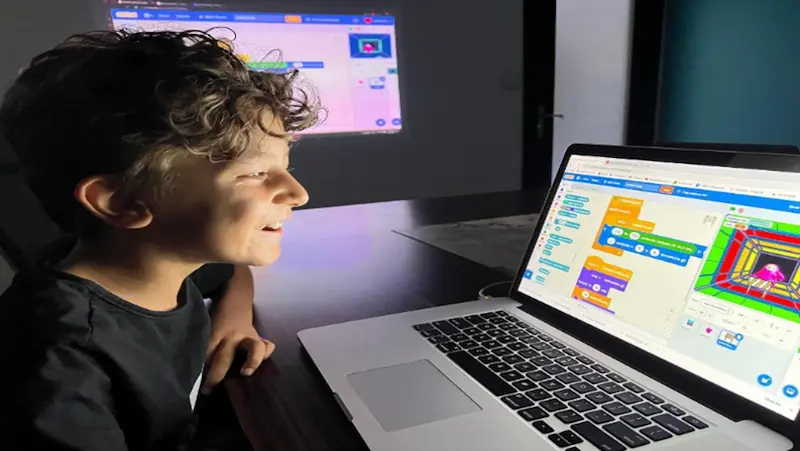
- Basic programming (like Python and Scratch)
- Digital literacy skills
- Introduction to robotics
- Computer fundamentals
Reports show that coding is included alongside core subjects like Mathematics and English at this stage.
2. Senior Secondary School (SS 1–3)
Coding classes compulsory in Nigerian schools continues at this level but becomes more advanced:
- Programming languages (Python, JavaScript, HTML)
- Artificial intelligence basics
- Data science introduction
- Robotics and automation
- Digital entrepreneurship
This means coding classes compulsory in Nigerian schools grows with the student’s level.
Why Coding Classes Are Compulsory in Nigerian Schools
Coding classes compulsory in Nigerian schools is not just for trend. There are strong reasons behind this decision.
1. Preparing Students for the Digital Economy
The world is changing fast. Jobs today require digital skills. Coding classes compulsory in Nigerian schools helps students prepare for:
- Tech jobs
- Remote work opportunities
- Digital businesses
2. Building Problem-Solving Skills
Coding classes compulsory in Nigerian schools teaches students how to:
- Think logically
- Solve problems
- Build solutions
These skills are useful in any career.
3. Global Competitiveness
Nigeria wants students to compete globally. Coding classes compulsory in Nigerian schools helps students:
- Learn modern skills early
- Compete with students from other countries
- Create technology, not just use it
What Exactly Do Students Learn in Coding Classes?
Coding classes compulsory in Nigerian schools is not just about writing code. It includes a wide range of digital skills.
Basic Level (JSS)
- Introduction to computers
- Scratch programming
- Simple Python coding
- Internet usage
Intermediate Level
- Web development basics
- App development introduction
- Robotics basics
Advanced Level (SSS)
- Full programming concepts
- Artificial intelligence basics
- Data analysis
- Cybersecurity fundamentals
This shows that coding classes compulsory in Nigerian schools is structured step by step.
Is Coding Compulsory in All Schools in Nigeria?
Coding classes compulsory in Nigerian schools applies mainly to:
- Public secondary schools
- Schools following the national curriculum
However, implementation may vary.
Reality on Ground
Even though coding classes compulsory in Nigerian schools is official, not all schools are fully ready yet. Challenges include:
- Lack of computers
- Poor internet access
- Shortage of trained teachers
Experts have pointed out that having coding in the curriculum does not automatically mean effective teaching.
So while coding classes compulsory in Nigerian schools is policy, the real experience may differ from school to school.
Role of Government in Coding Education
Coding classes compulsory in Nigerian schools is supported by several government efforts.
1. Curriculum Development
The government updated the national curriculum to include coding and digital skills.
2. Policy Support
Nigeria’s digital learning policies emphasize technology in education to improve learning outcomes.
3. Universal Basic Education
Basic education in Nigeria is already compulsory under national law.
Now, coding classes compulsory in Nigerian schools is becoming part of that compulsory education system.
Challenges Facing Coding Classes in Nigerian Schools
Even though coding classes compulsory in Nigerian schools is a great step, there are challenges.
1. Lack of Infrastructure
Many schools do not have:
- Computers
- Stable electricity
- Internet access
2. Teacher Training
Coding classes compulsory in Nigerian schools requires skilled teachers, but many schools lack trained instructors.
3. Funding Issues
Implementing coding education needs money for:
- Equipment
- Training
- Maintenance
4. Urban vs Rural Gap
Students in cities may benefit more than those in rural areas due to better resources.
Benefits of Coding Classes Compulsory in Nigerian Schools
Despite challenges, the benefits are strong.
1. Early Exposure to Technology
Students start learning tech skills early.
2. Better Career Opportunities
Coding classes compulsory in Nigerian schools opens doors to:
- Software development
- Tech startups
- Freelancing
3. Innovation and Creativity
Students can:
- Build apps
- Create websites
- Solve real problems
4. Economic Growth
A tech-skilled population helps national development.
How Parents Should Respond
If coding classes compulsory in Nigerian schools affects your child, here is what you can do:
Support Learning at Home
- Encourage practice
- Provide access to devices if possible
Use Online Resources
There are many free platforms for coding practice.
Ask Schools Questions
Find out how your child’s school is implementing coding classes compulsory in Nigerian schools.
What Students Should Do
Students should take advantage of coding classes compulsory in Nigerian schools.
Practice Regularly
Coding improves with practice.
Build Projects
Create simple apps or games.
Learn Beyond School
Use online tutorials to improve skills.
Future of Coding Classes in Nigerian Schools
Coding classes compulsory in Nigerian schools is just the beginning.
Experts believe that in the future:
- More tech subjects will be added
- Schools will become more digital
- Students will learn AI and advanced technologies
Nigeria is moving towards a system where digital skills are as important as reading and writing.
Final Verdict: Are Coding Classes Compulsory in Nigerian Schools?
Yes, coding classes compulsory in Nigerian schools is now part of the official curriculum, especially at the secondary school level.
However, the key points to remember are:
- It is officially compulsory in the new curriculum
- Implementation may vary across schools
- It is part of a larger push toward digital education
Coding classes compulsory in Nigerian schools is a major step forward. It shows that Nigeria is preparing its students for the future.
Conclusion
Coding classes compulsory in Nigerian schools is no longer a debate. It is a reality. The government has made it part of the curriculum to help students gain important digital skills.
While there are still challenges, the long-term benefits are clear. Students who take coding seriously today will have better opportunities tomorrow.
If you are a parent or student, the best approach is to embrace this change. Coding classes compulsory in Nigerian schools is not just about school subjects. It is about preparing for the future.