Nigerian Polytechnics Awarding Degrees: Complete Guide to the New Reforms Ending the HND Dichotomy
If you are a secondary school leaver weighing your options, a parent guiding a child’s future, or even a current HND holder wondering about career mobility, this change matters to you.
Nigerian polytechnics awarding degrees will open doors that once stayed shut. It boosts employability, aligns education with industry needs, and strengthens the nation’s technical workforce.
In this detailed guide, we will walk through the history, the problems that led here, exactly what the new policy says, who benefits, and what it means for you right now. We will keep everything clear and straightforward so you can make informed choices.
A Quick Look at the History of Polytechnics in Nigeria
Nigeria’s polytechnic system started in the 1970s as part of a deliberate push to build middle-level manpower. Leaders at the time saw the need for skilled technicians and technologists who could support rapid industrialization. Institutions like Yaba College of Technology (established earlier but upgraded), Auchi Polytechnic, and Kaduna Polytechnic became the backbone of this vision. The National Board for Technical Education (NBTE) was set up to regulate them and ensure quality.
Unlike universities that emphasize theory and broad academic knowledge, polytechnics always stressed practical skills. Students learn by doing. They spend time in workshops, labs, and industrial attachments. This approach produced graduates ready to hit the ground running in factories, construction sites, and agricultural projects. Over the years, the number of polytechnics grew. Today, Nigeria has dozens of federal, state, and private ones spread across every region.
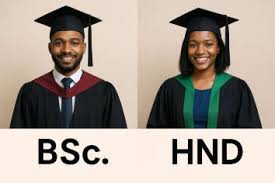
Yet even with this success, a clear divide existed. Polytechnics awarded ND after two years and HND after another two (or more with industrial experience). Universities awarded Bachelor of Science (BSc), Bachelor of Technology (BTech), or similar degrees. Employers and government agencies often treated HND holders as second-class. Many public sector jobs listed “BSc or equivalent” but quietly favored university graduates. Promotions stalled. Salaries differed. Further studies required extra top-up programs or direct entry hurdles. This created frustration and slowed the growth of technical education.
The HND dichotomy was not just a paperwork issue. It affected real lives. Bright young people who chose polytechnics for their affordability and practical focus found themselves at a disadvantage later. Some switched to universities midway, losing time and money. Others stayed but felt undervalued. Nigerian polytechnics awarding degrees is the government’s direct response to fix this imbalance once and for all.
Understanding the Traditional Structure: ND, HND, and the Degree Divide
Let us break down what students actually study. The ND is the entry point. It lasts two years and covers foundational technical skills. After ND, many students go for a one-year industrial training before returning for HND, another two-year program that deepens expertise in a specific area like civil engineering, computer science, or business administration.
HND programs were designed to produce higher-level technicians and technologists. They include advanced practical work, projects, and sometimes research elements. Yet the certificate carried a stigma in the job market. A university BSc holder with similar coursework might earn more or get promoted faster simply because of the “degree” label.
This was not fair to the students or the economy. Nigeria needs more engineers who can fix machines, not just design them on paper. It needs agricultural technologists who understand soil and machinery. It needs IT specialists who can code and troubleshoot networks in real time. Nigerian polytechnics awarding degrees will finally give these graduates the recognition they deserve without forcing them to abandon the practical training they love.
Some polytechnics already found creative ways around the limit. A few, such as Federal Polytechnic Offa in Kwara State and Kaduna Polytechnic, started offering certain bachelor’s programs through official affiliations with universities. Students complete most of their studies at the polytechnic but receive a university degree at the end. These partnerships proved popular and showed that polytechnics could handle degree-level work when given the chance. The new reforms take this further by letting polytechnics award the degrees themselves in approved fields.
The HND-BSc Dichotomy: Why It Persisted and Why It Hurt Nigeria
The dichotomy did not appear overnight. It grew from colonial-era education models that placed universities on a higher pedestal. After independence, the focus stayed on producing administrators and academics rather than technicians. Even when polytechnics expanded, the civil service and many private firms kept separate salary structures and promotion ladders.
Impacts were widespread. Unemployment among HND holders stayed higher in some fields because employers preferred BSc candidates. Many polytechnic graduates had to enroll in costly conversion programs or start all over at university level. This wasted talent and time. On a national scale, it weakened the technical base. Industries complained about skill gaps while thousands of well-trained polytechnic graduates struggled to find suitable roles.
Parents often advised children to “go for a degree” even if the child preferred hands-on learning. Enrolment in some polytechnic programs dropped as a result. The system needed fixing, and successive governments tried. There were committees, white papers, and circulars over the years, but real change stayed slow until now.
The latest push under the current administration marks a turning point. By empowering Nigerian polytechnics awarding degrees, leaders are saying technical education deserves equal respect. This is not about copying universities. It is about elevating what polytechnics already do best.
Breaking Down the Latest Government Reforms
In early 2026, the Minister of Education, Dr. Tunji Alausa, addressed a high-level gathering of polytechnic leaders in Abuja. He announced clear plans to scrap the HND dichotomy and let polytechnics award degrees. The move is part of broader efforts to reposition technical and vocational education and training (TVET) as a national priority.
Here is what the policy actually says, according to the National Board for Technical Education (NBTE). Polytechnics will continue to award ND programs as before. In science, technology, and engineering fields, they will now be able to award Bachelor of Technology (B.Tech) degrees directly. Non-science programs will keep the HND structure for now, but students will have clear pathways to postgraduate diplomas and master’s degrees afterward. Existing HND students can finish their programs without disruption.
The legal backbone is an ongoing amendment to the Federal Polytechnics Act. The bill has already passed second reading in the House of Representatives. Once it becomes law, polytechnics meeting strict quality standards set by NBTE will gain degree-awarding status. The government promises clear guidelines, regular accreditation, and quality assurance so standards stay high.
This is not a sudden overnight switch. It builds on years of advocacy by the Academic Staff Union of Polytechnics (ASUP) and other stakeholders. It also fits President Bola Ahmed Tinubu’s Renewed Hope Agenda, which stresses job creation, industrial growth, and human capital development through practical skills.
Dr. Alausa stressed that the core strength of polytechnics — hands-on, industry-focused training — must remain untouched. “Polytechnics are not mere institutions; they are the crucibles where innovation meets practicality,” he told leaders. The goal is to produce graduates who can solve real problems, create jobs, and drive economic growth.
To support the transition, the government announced special TETFund interventions to upgrade engineering workshops and laboratories in selected polytechnics. More funding will flow to entrepreneurship centers, research hubs, and industry partnerships. The focus areas include renewable energy, agri-technology, digital manufacturing, and climate-resilient solutions. These steps show the reforms go beyond certificates to real infrastructure and mindset change.
How Nigerian Polytechnics Awarding Degrees Will Work in Practice
Once the law passes and NBTE grants approval, eligible polytechnics will run B.Tech programs alongside their ND and HND offerings. Admission will likely follow the same JAMB route used for universities. Students will sit for UTME, choose the polytechnic and B.Tech course, and meet the required cut-off marks.
Curriculum will stay practical but reach degree depth. Expect more advanced projects, industrial collaborations, and possibly a final-year thesis or capstone project. The B.Tech will carry the same weight as a university degree for employment and further studies. Graduates can pursue master’s programs without extra hurdles.
Not every polytechnic will start awarding degrees immediately. Only those that meet infrastructure, staff, and curriculum standards will qualify. NBTE will conduct thorough assessments. This phased approach protects quality and prevents a rush that could dilute standards.
Some institutions already have experience. Federal Polytechnic Offa runs affiliated B.Sc programs in several fields. Kaduna Polytechnic and a few others have similar arrangements. These pioneers will likely be among the first to transition to full degree-awarding status. Private polytechnics that meet the criteria will also join the fold, giving students more choices nationwide.
Who Benefits Most from This Change?
Students win big. A B.Tech from a polytechnic combines theory with the practical edge employers crave. Graduates will compete fairly for jobs, promotions, and scholarships. No more explaining why their HND is “equivalent but not equal.”
Parents gain peace of mind. They can confidently choose a polytechnic knowing their child will earn a respected degree without switching schools later. The system becomes fairer and more efficient.
The economy gains too. Nigeria needs a stronger technical workforce to diversify beyond oil, grow manufacturing, modernize agriculture, and build infrastructure. Nigerian polytechnics awarding degrees will produce more innovators and entrepreneurs ready to fill these gaps. Industry partnerships will deepen because companies see polytechnics as equal partners, not just training centers.
Polytechnic staff and management also benefit. Degree-awarding status brings better funding, research grants, and prestige. It attracts top lecturers and motivates everyone to aim higher.
Even universities stand to gain indirectly. With clearer pathways and less overlap, universities can focus on pure research and advanced studies while polytechnics handle applied technology. The whole higher education ecosystem becomes more balanced and productive.
Potential Challenges and Realistic Solutions
No major reform comes without hurdles. Funding remains a concern. Many polytechnics still struggle with outdated equipment and underpaid staff. The announced TETFund interventions help, but sustained investment is needed. Leaders must also improve internally generated revenue through consultancy, production units, and commercial services.
Societal mindset will take time to shift. Some families still view universities as the only path to success. Public campaigns, success stories of B.Tech graduates, and clear communication from NBTE and the ministry will help change perceptions.
Quality control is crucial. NBTE must enforce strict standards so the new degrees match or exceed international benchmarks. Regular audits, stakeholder feedback, and industry input will keep programs relevant.
Governance issues inside polytechnics — such as occasional conflicts between councils and management — need addressing. The minister has called for transparency, accountability, and zero tolerance for corruption. Strong leadership at every level will make the reforms stick.
What Prospective Students Should Know Right Now
If you are choosing a course today, keep these points in mind. Check the latest NBTE list of accredited programs on their official website. Ask each polytechnic about their plans for degree programs. Some may already run affiliated degrees while waiting for full approval.
Consider your field of interest. Science, technology, and engineering students will see the fastest changes. Business, arts, or management students may stay on the HND track longer but will still enjoy improved progression routes.
Look at location, facilities, and industry links. A polytechnic close to manufacturing hubs or tech parks offers better practical exposure. Visit open days, talk to current students, and review graduate outcomes.
JAMB candidates should monitor cut-off marks and admission guidelines. As reforms roll out, some B.Tech programs may become highly competitive. Prepare well and apply early.
Current HND students have nothing to fear. The policy protects ongoing programs. You will complete your studies and can explore top-up options if needed during the transition.
A Global Perspective on Polytechnic Education
Many countries treat polytechnics as degree-granting institutions without losing their practical focus. In Germany, universities of applied sciences (Fachhochschulen) award bachelor’s and master’s degrees with heavy industry involvement. Singapore’s polytechnics offer full diplomas that lead directly to good careers or further degrees. Australia’s TAFE system blends vocational training with degree pathways.
Nigeria is joining this global trend. By letting Nigerian polytechnics awarding degrees become standard, the country positions itself to compete internationally. Graduates will hold qualifications recognized worldwide, opening opportunities for scholarships, jobs abroad, or collaborations.
This reform also supports Nigeria’s commitment to Sustainable Development Goals, especially those around quality education, decent work, and industry innovation.
Frequently Asked Questions About Nigerian Polytechnics Awarding Degrees
Will all polytechnics start awarding degrees immediately? No. Only those that meet NBTE standards will qualify. The process is phased to maintain quality.
Is the B.Tech the same as a BSc? In value and recognition, yes. The B.Tech emphasizes technology and applied skills, which fits the polytechnic mission perfectly.
What happens to current HND programs? Existing students finish without interruption. New intakes in non-technical fields may continue with HND, while technical fields shift to B.Tech.
Can I use a polytechnic B.Tech for master’s admission? Yes. The degree will be fully recognized for postgraduate studies in Nigeria and abroad.
Does this mean polytechnics are becoming universities? No. They remain polytechnics focused on practical education. They simply gain the power to award degrees in select fields.
How soon will the first B.Tech graduates emerge? Once the Act is amended and programs are accredited, new intakes can begin. Current students on affiliated paths may graduate even sooner.
Wrapping Up: A New Era for Technical Education in Nigeria
Nigerian polytechnics awarding degrees is no longer a distant dream. It is an active reform backed by government commitment, legislative progress, and stakeholder support. This change honors the hard work of polytechnic students and staff while addressing long-standing inequities.
The benefits stretch far beyond individual certificates. A stronger polytechnic system means a more skilled workforce, faster industrial growth, and better solutions to national challenges. Students gain confidence, employers gain talent, and the country gains competitiveness.
If you are considering higher education, now is an exciting time. Nigerian polytechnics awarding degrees will give you practical skills plus the full recognition you deserve. Stay informed, choose wisely, and prepare to be part of this transformation.
The road ahead requires continued investment, honest implementation, and collective effort. But the direction is clear: technical education is finally getting the respect and opportunities it has always earned. Nigerian polytechnics are stepping up, and the future looks brighter for every graduate ready to build, innovate, and lead.